Boost Surge X Official Website › Boost Surge X Ingredients
Boost Surge X Ingredients: All Seven, With Amounts
Boost Surge X lists seven ingredients, each with its own amount, and no proprietary blend.
Sarsaparilla root 20 mg, tongkat ali 10 mg, horny goat weed 8 mg, saw palmetto 20 mg, nettle extract 20 mg, wild yam 20 mg and boron 20 mg, for 118 mg per two-capsule serving.
To see how the serving fits your day, read how to take it.
Seven names, seven numbers, nothing hidden behind a blend total. This page prints each one beside what the research on that plant actually measured, which is the comparison the category usually avoids.
The Boost Surge X panel in one table
Read the third column before the second. That is the whole argument.
| On the panel | Amount printed | Amount used in the research | Ratio |
|---|---|---|---|
| Sarsaparilla root | 20 mg | No controlled human trial establishes a dose | Not comparable |
| Tongkat Ali | 10 mg | 200 mg a day, standardised water extract | 1/20th |
| Horny Goat Weed | 8 mg | No human dose established; the work is in vitro | Not comparable |
| Saw Palmetto | 20 mg | 320 mg a day, and 960 mg a day in the largest trial | 1/16th |
| Nettle extract | 20 mg | 360 mg a day of root extract | 1/18th |
| Wild Yam | 20 mg | The controlled trial that exists found no hormonal effect | Not comparable |
| Boron | 20 mg | 10 mg a day in the trial; 20 mg a day is the adult upper limit | At the upper limit |
| Seven items in total | 118 mg | Never tested together in this combination | Unknown |
Amounts are printed as the panel gives them. By convention a Supplement Facts panel states amounts per serving, and the serving here is two capsules.
Every Boost Surge X ingredient in detail
In panel order, with the amount, the evidence and the gap between them.
Sarsaparilla Root
20 mg Smilax speciesThe largest of the plant items on this panel, tied with saw palmetto, nettle and wild yam at 20 mg. Sarsaparilla is a climbing vine whose root has been used in tonic drinks for centuries, and the chemistry people point to is its steroidal saponins, chiefly sarsasapogenin. What the research actually shows: Tian 2017 catalogues those saponins and what they do in laboratory models, and a 2024 Smilax review is a full review of one widely used species. Both are chemistry and pharmacology reviews. The part that matters: neither describes a controlled human trial of sarsaparilla for testosterone, vitality or male function, because there is not a meaningful one to describe. A steroidal saponin is not a steroid hormone and the human body does not convert one into the other. Traditional preparations also used grams of dried root in a decoction, not 20 mg of extract in a capsule.
Tongkat Ali
10 mg Eurycoma longifoliaThe smallest botanical figure on the panel except for horny goat weed, and the one with the strongest human evidence behind the plant itself. That combination is the single most important thing on this label. What the research shows: Talbott 2013 gave 200 mg a day of a standardised water-soluble extract to moderately stressed adults for four weeks and reported lower cortisol and higher testosterone. Tambi 2012 used the same 200 mg daily dose in men with late-onset hypogonadism. a 2017 systematic review pooled the clinical work and found the quality mixed and the trials small. The gap: this label prints 10 mg. That is one twentieth of the amount used in both of those trials, and the trials used a specific standardised water extract rather than unspecified root powder. Nothing on the panel says which is in the capsule. We are not going to tell you that 10 mg does what 200 mg did.
Horny Goat Weed
8 mg Epimedium speciesThe smallest figure on the panel. The name is folk taxonomy rather than pharmacology, and the compound the laboratories care about is icariin, a flavonoid glycoside. What the research shows: Dell'Agli 2008 tested icariin and several semi-synthetic derivatives against human phosphodiesterase-5 and found the derivatives potent. That is a test-tube finding on isolated and in some cases chemically modified molecules, not a trial of a plant powder in people. the Epimedium review is a full ethnopharmacological review of the genus and is the fairest summary available. The gap: whole Epimedium leaf is roughly one to two per cent icariin at best, so 8 mg of leaf carries a fraction of a milligram of the compound in question. No human trial has established a dose for the herb. Anyone quoting the phosphodiesterase work at you as though it applied to a capsule is overreaching.
Saw Palmetto
20 mg Serenoa repensA dwarf palm from the American southeast, and the best-studied item on this panel by a distance. It is studied for prostate symptoms rather than for vitality. What the research shows, including the unflattering part: the Cochrane review pooled the randomised evidence and concluded that saw palmetto did not improve urinary symptoms or flow measures more than placebo in men with benign prostatic hyperplasia. the CAMUS trial went further and escalated the dose to three times the usual 320 mg a day, and still found no benefit over placebo. NCCIH summarises the position for a general reader. The gap: the standard studied dose is 320 mg a day of a lipidosterolic extract. This label prints 20 mg, one sixteenth of that, of an extract whose type is not stated. The honest reading is that saw palmetto is here because buyers in this category expect to see it.
Nettle Extract
20 mg Urtica dioicaNettle is two different supplements depending on which part of the plant is used. Nettle leaf is a mild diuretic with a long food history. Nettle root is the one studied in men, and it is the one this category usually means. The panel says only nettle extract, so which part is in the capsule is not published. What the research shows: Safarinejad 2005 ran a six-month randomised, placebo-controlled crossover trial of nettle root extract at 120 mg three times a day, 360 mg in total, and reported improved urinary symptom scores. Chrubasik 2007 is the standing review of the root literature and is more cautious about the size of the effect. The gap: 20 mg against 360 mg, with the plant part unstated. Two unknowns on one line of a panel is more than this ingredient deserves.
Wild Yam
20 mg Dioscorea speciesWild yam is the source of diosgenin, and diosgenin is genuinely the starting material that chemists once used to manufacture steroid hormones in a laboratory. That fact is the reason wild yam appears in supplements at all, and it is routinely misread. What the research shows: a 2022 review of diosgenin reviews diosgenin's pharmacology in detail. Komesaroff 2001 is the trial worth knowing: a randomised crossover study of wild yam extract in healthy menopausal women found no effect on symptoms, blood lipids or sex hormones compared with placebo. It studied women rather than men, which limits what it says here, but it is the controlled human test that exists. The part nobody selling this will tell you: the conversion of diosgenin into a steroid hormone is an industrial chemical process. The human body does not perform it. Eating wild yam does not make hormones.
Boron
20 mg as a boron compound, form not publishedThe one item on this panel that is a mineral rather than a plant, and the figure that needs reading most carefully. What the research shows: Naghii 2011 gave 10 mg of boron a day for a week to a small group of healthy men and reported a rise in free testosterone and a fall in estradiol. Pizzorno 2015 is a broad review of boron in human nutrition. The figure that should stop you: the NIH Office of Dietary Supplements publishes a Tolerable Upper Intake Level for boron of 20 mg a day for adults aged 19 and over, from all sources including food, and notes that common amounts of elemental boron in dietary supplements run from 0.15 to 6 mg. Typical dietary intake adds roughly another milligram. This label prints 20 mg. If that figure is elemental boron, one serving sits on the upper limit before you have eaten anything. If it is the weight of a boron compound such as boron citrate, the elemental amount is far smaller. Which of those it is has not been published, and we will not guess. Ask a doctor or pharmacist before taking this alongside anything else containing boron.
What the Boost Surge X artwork leaves out
Three pictures from the manufacturer's media kit, and what each one is actually showing you.
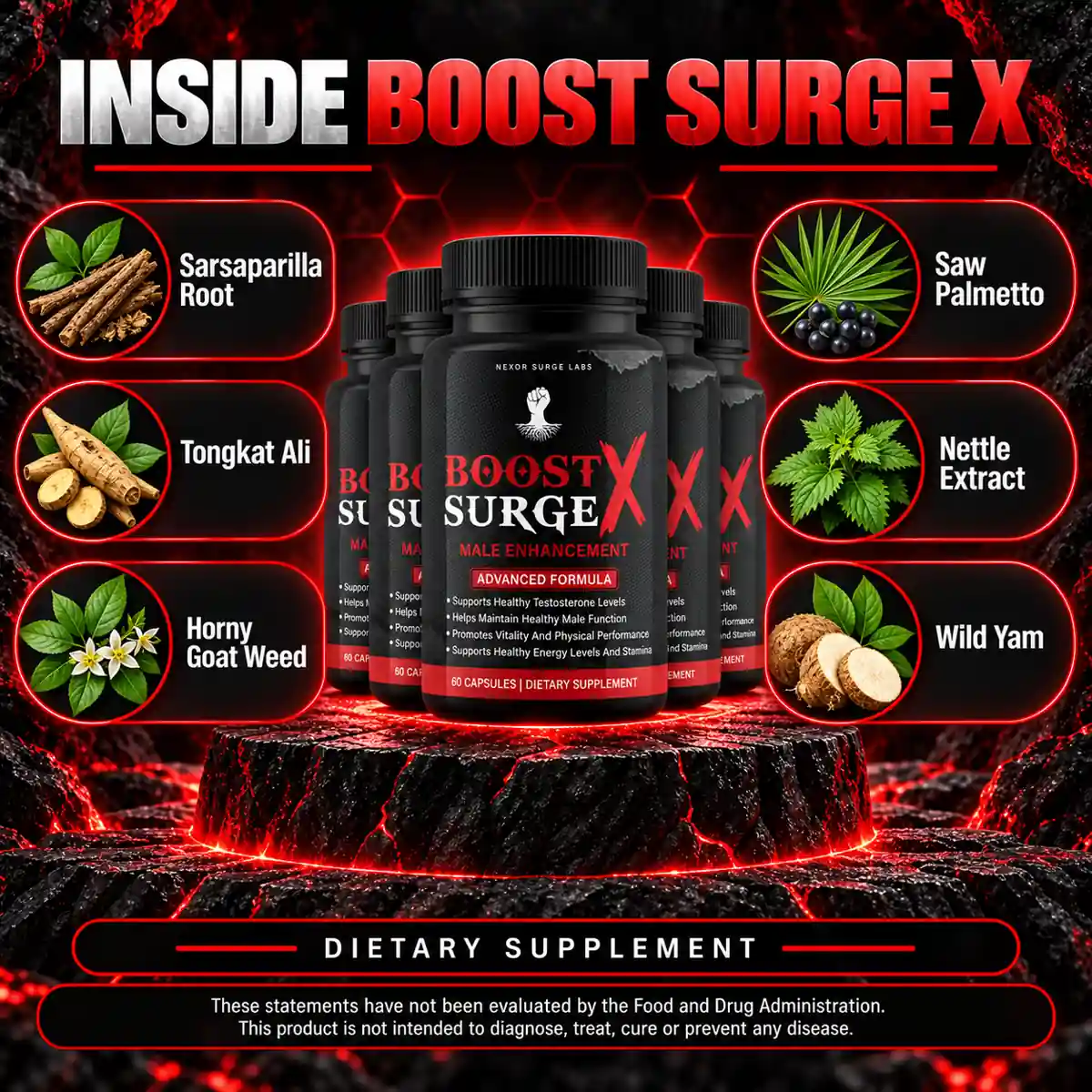
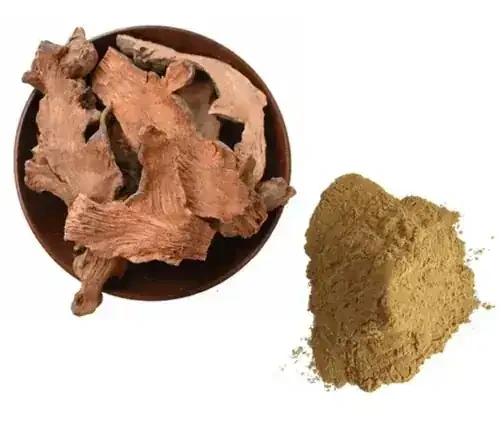
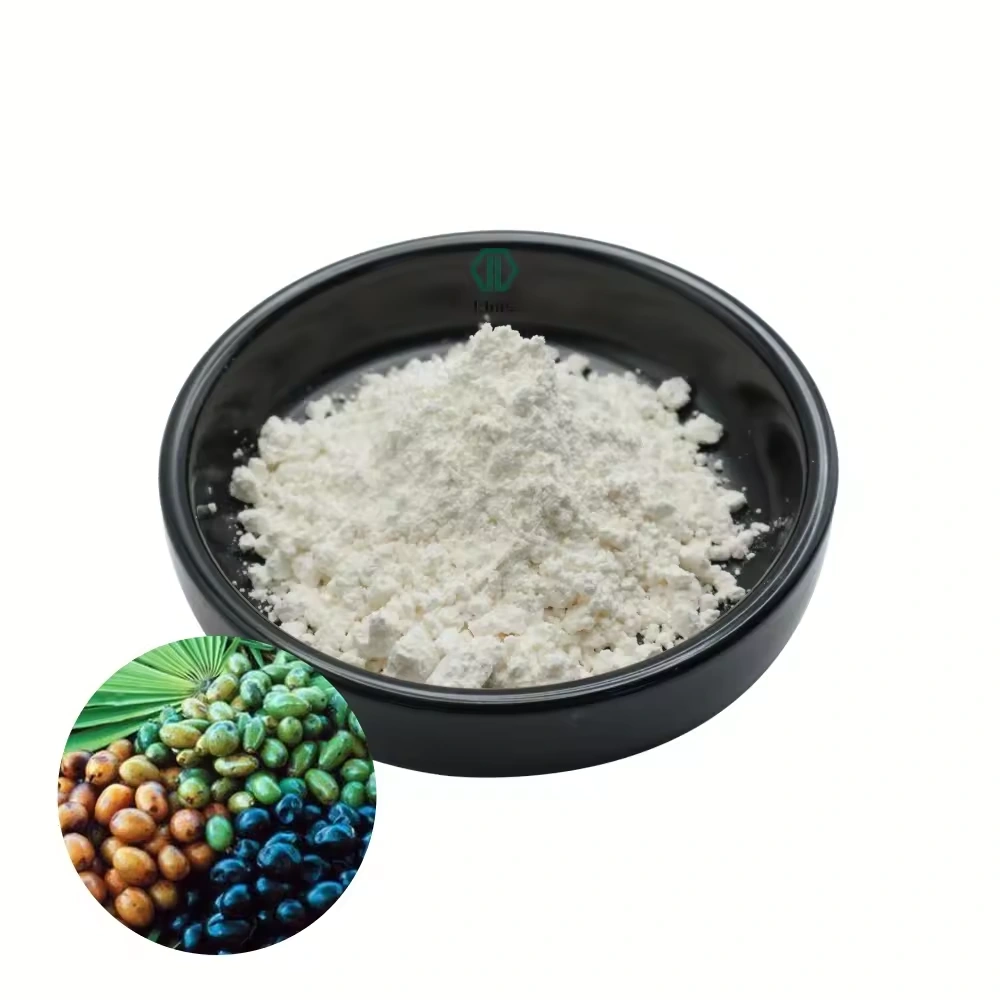
What is not on the Boost Surge X panel
Absence is harder to establish from a label than presence, so it is worth stating directly. None of the following appears among the seven named items.
- ›No stimulant. No caffeine, no yohimbine, no synephrine. Nothing here produces an effect you would notice within an hour of swallowing it.
- ›No prescription drug. Adulteration with sildenafil analogues is a real and documented problem in this category. It is also the single most important reason to buy from a traceable channel rather than an unfamiliar marketplace seller.
- ›No zinc, magnesium or vitamin D. Those three are the minerals with the best evidence in male health, and none is on this panel. If a deficiency is your actual problem, this is not the product that addresses it.
- ›No proprietary blend. The thing this panel does best.
- ›No published capsule shell material. The label carries a vegetarian mark. The shell itself is not described in the paperwork this website holds.
- ›No standardisation figures. No extract ratio, no marker compound percentage, no country of origin for any of the seven. That is normal for the category and it is still a gap.
Boost Surge X ingredient FAQ
How many ingredients are in Boost Surge X?
Seven named items: sarsaparilla root, tongkat ali, horny goat weed, saw palmetto, nettle extract, wild yam and boron. Every one carries a printed amount and there is no proprietary blend.
How much of each ingredient is in Boost Surge X?
Sarsaparilla root 20 mg, tongkat ali 10 mg, horny goat weed 8 mg, saw palmetto 20 mg, nettle extract 20 mg, wild yam 20 mg and boron 20 mg. That totals 118 mg per two-capsule serving.
Does Boost Surge X use a proprietary blend?
No. Every named item carries its own printed amount, which is what makes it possible to compare this panel against the published research.
Is there caffeine in Boost Surge X?
No. There is no caffeine and no other stimulant among the seven named items.
Is the boron in Boost Surge X elemental boron?
Not published. The panel prints 20 mg without stating whether that is elemental boron or the weight of a boron compound. The two figures differ by a large factor, and 20 mg of elemental boron is the adult Tolerable Upper Intake Level, so ask a pharmacist before taking it.
Are the Boost Surge X extracts standardised?
Not published. No extract ratio and no marker compound percentage appears on the panel or in the paperwork this website holds.
Research cited on this Boost Surge X ingredients page
Seventeen records, each confirmed before publication. None of them tested this finished capsule.
- Tian LW, Zhang Z, Long HL, Zhang YJ. Steroidal Saponins from the Genus Smilax and Their Biological Activities. Nat Prod Bioprospect. 2017;7(4):283-298. PMID 28646341. https://pubmed.ncbi.nlm.nih.gov/28646341/
- Wang M, Bai QX, Zheng XX, Hu WJ, et al. Smilax china L.: A review of its botany, ethnopharmacology, phytochemistry, pharmacological activities, actual and potential applications. J Ethnopharmacol. 2024;318(Pt B):116992. PMID 37541403. https://pubmed.ncbi.nlm.nih.gov/37541403/
- Talbott SM, Talbott JA, George A, Pugh M. Effect of Tongkat Ali on stress hormones and psychological mood state in moderately stressed subjects. J Int Soc Sports Nutr. 2013;10(1):28. PMID 23705671. https://pubmed.ncbi.nlm.nih.gov/23705671/
- Tambi MI, Imran MK, Henkel RR. Standardised water-soluble extract of Eurycoma longifolia, Tongkat ali, as testosterone booster for managing men with late-onset hypogonadism? Andrologia. 2012;44 Suppl 1:226-30. PMID 21671978. https://pubmed.ncbi.nlm.nih.gov/21671978/
- Thu HE, Mohamed IN, Hussain Z, Jayusman PA, Shuid AN. Eurycoma longifolia as a potential adaptogen of male sexual health: a systematic review on clinical studies. Chin J Nat Med. 2017;15(1):71-80. PMID 28259255. https://pubmed.ncbi.nlm.nih.gov/28259255/
- Dell'Agli M, Galli GV, Dal Cero E, Belluti F, et al. Potent inhibition of human phosphodiesterase-5 by icariin derivatives. J Nat Prod. 2008;71(9):1513-7. PMID 18778098. https://pubmed.ncbi.nlm.nih.gov/18778098/
- Ma H, He X, Yang Y, Li M, Hao D, Jia Z. The genus Epimedium: an ethnopharmacological and phytochemical review. J Ethnopharmacol. 2011;134(3):519-41. PMID 21215308. https://pubmed.ncbi.nlm.nih.gov/21215308/
- Tacklind J, Macdonald R, Rutks I, Stanke JU, Wilt TJ. Serenoa repens for benign prostatic hyperplasia. Cochrane Database Syst Rev. 2012;12:CD001423. PMID 23235581. https://pubmed.ncbi.nlm.nih.gov/23235581/
- Barry MJ, Meleth S, Lee JY, Kreder KJ, et al. Effect of increasing doses of saw palmetto extract on lower urinary tract symptoms: a randomized trial. JAMA. 2011;306(12):1344-51. PMID 21954478. https://pubmed.ncbi.nlm.nih.gov/21954478/
- National Center for Complementary and Integrative Health. Saw Palmetto. https://www.nccih.nih.gov/health/saw-palmetto
- Safarinejad MR. Urtica dioica for treatment of benign prostatic hyperplasia: a prospective, randomized, double-blind, placebo-controlled, crossover study. J Herb Pharmacother. 2005;5(4):1-11. PMID 16635963. https://pubmed.ncbi.nlm.nih.gov/16635963/
- Chrubasik JE, Roufogalis BD, Wagner H, Chrubasik S. A comprehensive review on the stinging nettle effect and efficacy profiles. Part II: urticae radix. Phytomedicine. 2007;14(7-8):568-79. PMID 17509841. https://pubmed.ncbi.nlm.nih.gov/17509841/
- Semwal P, Painuli S, Abu-Izneid T, Rauf A, et al. Diosgenin: An Updated Pharmacological Review and Therapeutic Perspectives. Oxid Med Cell Longev. 2022;2022:1035441. PMID 35677108. https://pubmed.ncbi.nlm.nih.gov/35677108/
- Komesaroff PA, Black CV, Cable V, Sudhir K. Effects of wild yam extract on menopausal symptoms, lipids and sex hormones in healthy menopausal women. Climacteric. 2001;4(2):144-50. PMID 11428178. https://pubmed.ncbi.nlm.nih.gov/11428178/
- Naghii MR, Mofid M, Asgari AR, Hedayati M, Daneshpour MS. Comparative effects of daily and weekly boron supplementation on plasma steroid hormones and proinflammatory cytokines. J Trace Elem Med Biol. 2011;25(1):54-8. PMID 21129941. https://pubmed.ncbi.nlm.nih.gov/21129941/
- Pizzorno L. Nothing Boring About Boron. Integr Med (Encinitas). 2015;14(4):35-48. PMID 26770156. https://pubmed.ncbi.nlm.nih.gov/26770156/
- National Institutes of Health, Office of Dietary Supplements. Boron: Fact Sheet for Health Professionals. https://ods.od.nih.gov/factsheets/Boron-HealthProfessional/
Every page, every journal post, the bottle facts and the ingredients go through review by Dr. Kambiz Tajkarimi, MD before they ship. We write these pages from the Boost Surge X label and the distributor’s own batch paperwork, cite published research for each named botanical, and print “not published” wherever a figure is not disclosed rather than estimating it. Where the manufacturer’s own marketing claims more than the printed label supports, we say so on the page. Corrections are made on the page itself and the review date moves forward. Write to [email protected]. Last reviewed September 2026 by Dr. Kambiz Tajkarimi, MD.
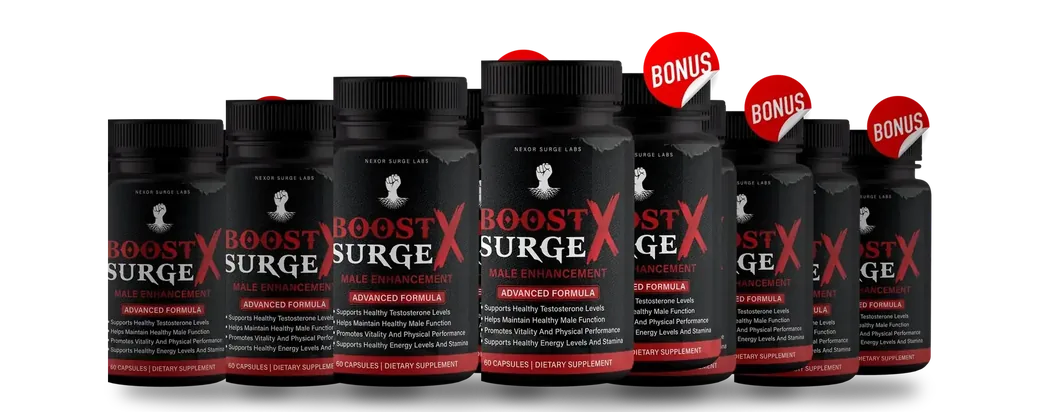
Order Boost Surge X with the panel in front of you
Seven named botanicals, every amount printed, 118 mg per serving. If you have read this page and the numbers still look worth a two-month test, the 3 + 1 pack is where most buyers start.
$354 for 6 + 2 bottles, $44.25 each
Order Boost Surge X On The Official WebsiteFree US shipping on the 6 + 2 pack · 180-day money-back guarantee · lot BSX-26/AV-6621